
Compare Chauffeur Vehicle Classes With Confidence
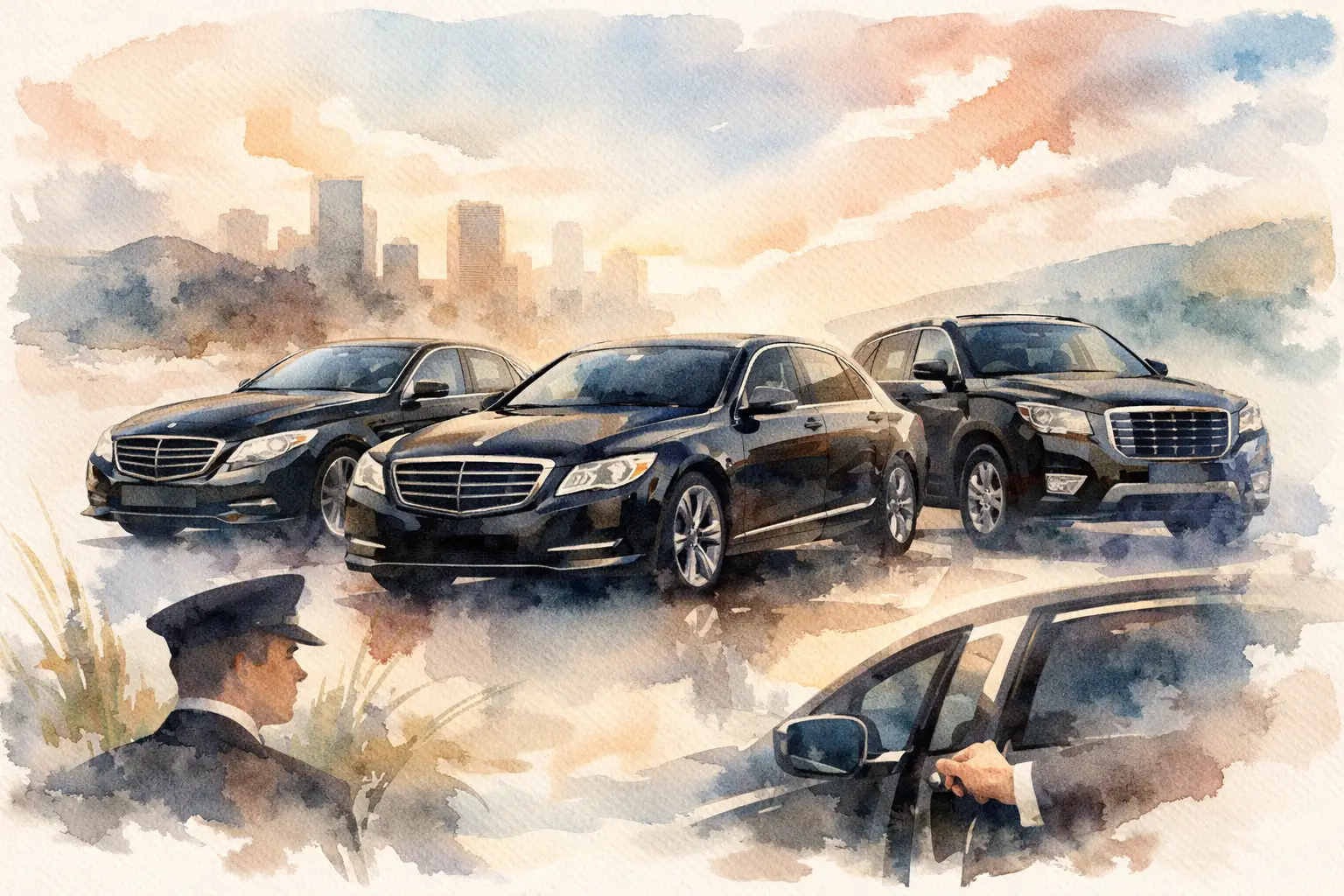
A chauffeur booking can look straightforward until the vehicle choices appear. An executive sedan, first-class car, luxury SUV, and executive MPV may all promise a premium journey, but they solve different travel problems. When you compare chauffeur vehicle classes, the right choice comes down to more than appearance: passenger count, luggage, privacy, arrival experience, and the amount of time you expect to spend in the car all matter.
For a single airport transfer, a refined sedan may be exactly right. For a board-level roadshow, a larger first-class vehicle can provide the discretion and presence the occasion calls for. The aim is not to book the most expensive option by default. It is to book the vehicle that makes the journey feel properly planned.
Compare Chauffeur Vehicle Classes by Journey Type
Vehicle class should follow the journey, not just the number of passengers. Two people traveling from Heathrow to central London with carry-on bags have very different requirements from two people arriving with golf clubs, large suitcases, or presentation equipment.
Start with the practical details: how many people are traveling, how much luggage is coming with them, and whether everyone needs to travel together. Then consider the purpose of the trip. An airport pickup, a full-day corporate schedule, a client dinner, and a wedding transfer all create different expectations around space, comfort, and presentation.
A clear vehicle comparison is especially useful when arranging travel for someone else. Executive assistants and corporate travel planners need confidence that the car shown at booking is appropriate for the guest, without chasing multiple operators for clarification or receiving a surprise upgrade charge later.
Executive Sedans: The Reliable Business Standard
Executive sedans are the most versatile choice for one to three passengers traveling with reasonable luggage. Think of the familiar premium business-car format: a quiet cabin, polished exterior, comfortable rear seating, and a professional arrival without unnecessary ceremony.
This class is well suited to airport transfers, point-to-point business journeys, and solo or couple travel. It is often the sensible choice for a passenger who wants a more dependable, more comfortable alternative to a taxi or standard ride-hailing service. For a trip between London meetings, or a transfer from Manchester Airport to a hotel, an executive sedan delivers the right level of professionalism while keeping the booking proportionate to the journey.
The trade-off is capacity. Although three passengers may fit, the rear seat is most comfortable for one or two adults, particularly on a longer journey. Luggage also needs an honest assessment. Two large checked bags and two carry-ons may push the limits of some sedan trunks. If comfort or luggage space is uncertain, stepping up a class is usually the better decision.
Best for
Executive sedans work best for airport transfers with light to moderate luggage, individual executive travel, couples, and small business groups where a discreet, premium vehicle is the priority.
VIP and First-Class Cars: When the Arrival Matters
VIP or first-class cars are designed for travelers who need more space, a higher specification, and a more elevated guest experience. They are a natural fit for senior executives, VIP clients, formal events, long-distance journeys, and occasions where the vehicle forms part of the impression.
The difference is not simply a badge on the hood. First-class vehicles typically offer a more spacious rear cabin, enhanced ride comfort, greater refinement, and a quieter environment for preparing, taking a call, or simply recovering after a flight. For an international guest arriving after an overnight journey, that additional comfort can make a real difference.
This class is also useful when the passenger is not the person making the booking. If you are arranging transport for a board member, investor, or valued client, first class removes much of the concern about whether the vehicle will meet expectations.
There is a price premium, and it will not be necessary for every trip. A short transfer for a single traveler with no client-facing element may be better served by an executive sedan. But for a high-stakes meeting, an important guest, or a journey where the passenger will spend significant time in the rear seat, first class is an investment in comfort and confidence.
Luxury SUVs: Space, Presence, and Flexibility
Luxury SUVs combine premium travel with a more commanding driving position and greater room for passengers and bags. They are particularly useful for travelers who want the elevated feel of a high-end vehicle but need more flexibility than a sedan can offer.
An SUV can suit airport transfers for families, small groups with luggage, travelers carrying bulky items, or passengers who simply prefer easier entry and exit. It is also a strong option for countryside venues, sporting events, and winter travel, where extra ground clearance and all-weather capability can be reassuring.
For corporate use, the SUV brings a more informal but still highly professional presence. It can work well for hosting clients, traveling to a site visit, or transporting a small team between meetings. However, passenger comfort varies by vehicle layout. A luxury SUV may seat several people, but a full rear row is not always ideal for three adults on a two-hour journey. Check the stated passenger and luggage allowance rather than assuming an SUV is automatically the roomiest option.
When an SUV is the better call
Choose a luxury SUV when luggage is a priority, when traveling with family or a small group, or when the route and occasion benefit from added versatility. If the goal is the most spacious and relaxed rear-seat experience for one or two senior passengers, a first-class car may still be the stronger option.
Executive MPVs: The Practical Premium Choice for Groups
An executive MPV is often the most efficient class for groups that need to travel together without sacrificing a professional chauffeur experience. With flexible seating and more usable luggage capacity, it is the natural choice for airport groups, corporate delegations, families, and event parties.
The key advantage is not only the extra seats. It is the ability to keep the group in one vehicle. That means one pickup time, one arrival point, and fewer coordination issues when flights are delayed or meetings run over. For a team arriving in Birmingham for a conference, or a family heading from Edinburgh Airport to a hotel with several bags, an executive MPV can be simpler and more cost-effective than booking two sedans.
MPVs are also valuable for travelers with unusual luggage requirements. Multiple large cases, garment bags, strollers, sample cases, and sports equipment can quickly make a sedan or SUV impractical. A larger vehicle gives everyone more room without forcing passengers to hold bags in the cabin.
The trade-off is style preference. An MPV prioritizes space and group usability over the formal image of a first-class sedan. For a VIP arriving alone at a gala, it may be more vehicle than the occasion requires. For four to six travelers with luggage, it is usually the smarter choice.
Look Beyond the Seating Number
A vehicle described as seating four or six people may technically have that many seat belts, but maximum occupancy is not always premium occupancy. This is where many bookings go wrong. A group of four adults with large suitcases can be uncomfortable in a vehicle advertised for four passengers, especially after a long flight.
Before confirming, consider the journey in realistic terms. Are the passengers carrying checked luggage? Will they be in the vehicle for 20 minutes or two hours? Is one passenger likely to work during the trip? Does the booking need child seats, room for mobility equipment, or space for a folding stroller?
These details should guide the class selection before price does. A slightly larger car that handles the journey properly is often better value than a lower-priced option that creates a cramped pickup, a second vehicle, or an awkward luggage rearrangement at the curb.
Use Pricing as a Decision Tool, Not a Guessing Game
Premium transport should not require a string of emails to establish which vehicle is available or what the final fare will be. Clear, fixed pricing lets you compare classes based on the real cost of the journey, rather than a starting rate that changes after luggage, waiting time, airport access, or late-night travel are added.
When options are shown side by side, the question becomes more useful: is the additional cost justified by the extra space, comfort, or guest experience? For many travelers, it is. For others, an executive sedan provides everything needed. There is no universal best class, only the best match for the trip.
Limohawk helps make that decision clearer by presenting vetted chauffeur options, defined vehicle classes, and transparent pricing without hidden add-ons or surge pricing. That gives travelers and travel arrangers a practical basis for comparing service, rather than relying on vague descriptions.
Make the Vehicle Match the Moment
The most successful chauffeur journeys feel unremarkable in the best way: the right vehicle arrives on time, there is room for every passenger and bag, and no one has to think about the transport again. A sedan provides polished efficiency, first class adds a more considered level of comfort, SUVs bring flexibility, and MPVs keep groups moving together.
Book for the journey your passengers will actually take, not the minimum number of seats shown on a screen. That one decision can turn ground transportation from a logistics concern into a calm, well-managed part of the day.