
Best Chauffeur Options for Executives in the UK
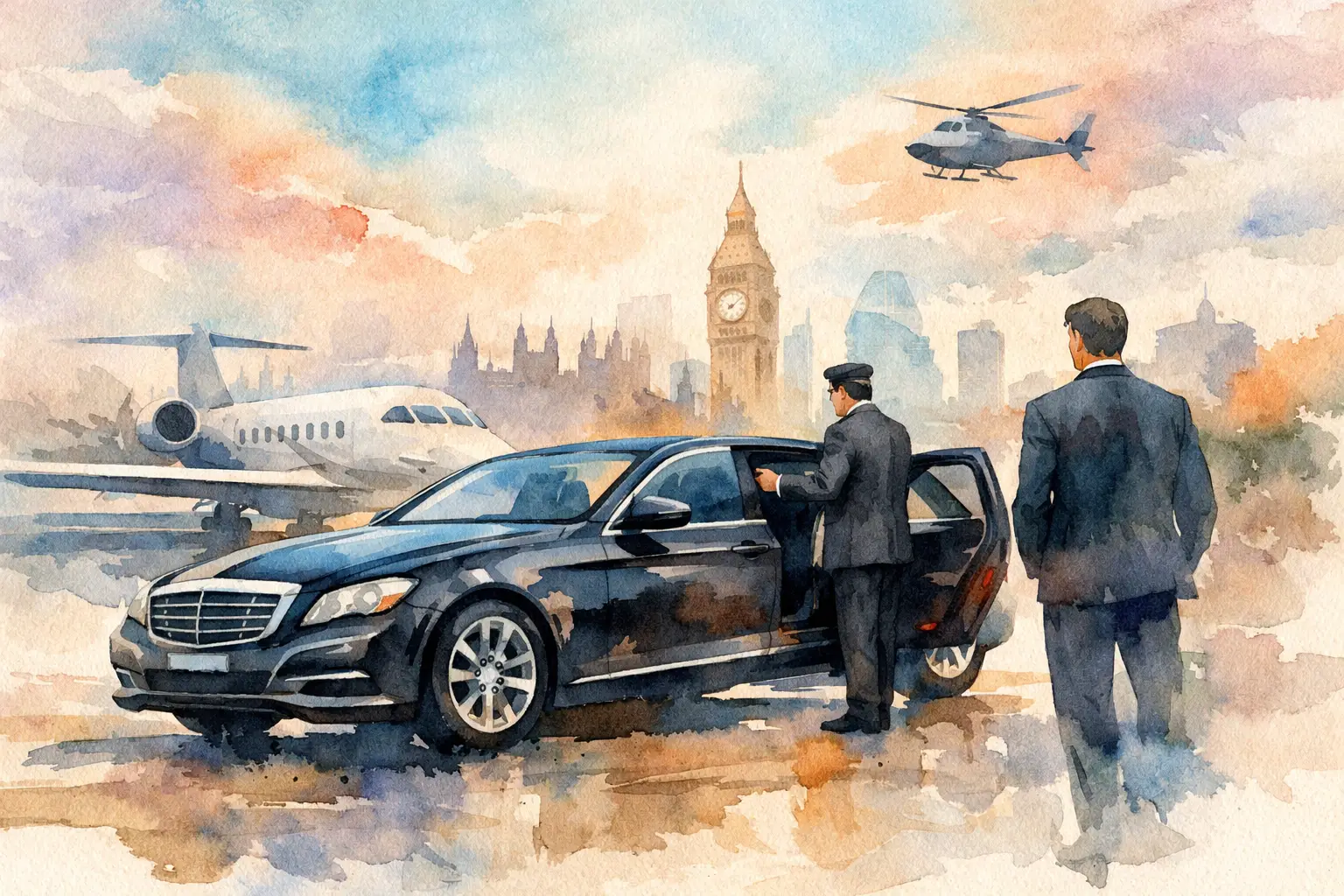
A delayed driver at Heathrow, a vehicle that is smaller than expected, or a fare that changes after landing can disrupt far more than one journey. For executives, ground transportation is part of the working day. The best chauffeur options for executives provide a dependable vehicle, a professional driver, clear pricing, and enough flexibility to accommodate real schedules rather than ideal ones.
The right choice depends on the purpose of the trip. An airport arrival, a roadshow with multiple meetings, and transport for a visiting leadership team require different levels of vehicle space, driver availability, and booking control. The goal is not simply to book a premium car. It is to remove uncertainty before the day begins.
Start with the journey, not the vehicle
Most executive travel requirements fit into four booking types: airport transfers, point-to-point journeys, hourly chauffeur hire, and executive group travel. Choosing the service type first makes it much easier to compare options fairly.
An airport transfer is best when the itinerary is clear. A chauffeur monitors the journey details, meets the passenger at the agreed location, and takes them directly to their destination. For an executive flying into London, Birmingham, Manchester, or Edinburgh, this is often the most efficient option when the next meeting has a fixed start time.
Point-to-point chauffeur service works well for scheduled travel between offices, hotels, client sites, and events. It is typically priced as a fixed journey, which gives the traveler or travel arranger certainty before approval. This is particularly useful when budgeting for recurring routes or arranging travel for senior visitors.
Hourly hire is a better fit for days that may change. An executive may need to move between several meetings, wait while a client presentation runs over, or make an unscheduled stop. The vehicle and chauffeur remain available for the booked period, creating more control than booking separate rides. It can cost more than a single transfer, but it often becomes better value when timing is uncertain or several journeys are involved.
For small teams, executive MPVs and larger premium vehicles deserve early consideration. Trying to fit passengers, cabin bags, presentation materials, and equipment into a sedan can create an avoidable problem at pickup. Group travel should be planned around people and luggage, not just the number of seats advertised.
The best chauffeur options for executives by use case
Airport transfers: punctuality and arrival experience
Airport travel has the least room for guesswork. The strongest option includes flight monitoring, a clearly defined waiting policy, a professional meet-and-greet where required, and a driver who knows the pickup process for that airport. These details matter when a flight is early, delayed, or arriving at a busy terminal.
For a solo executive with hand luggage, an executive sedan provides the right balance of comfort and discretion. For a principal traveling after a long-haul flight, a first-class vehicle may be more appropriate. If there are multiple passengers or substantial luggage, a luxury SUV or executive MPV is the safer choice.
Price clarity is especially valuable here. A low starting fare can become misleading if airport parking, waiting time, late-night supplements, or luggage-related charges appear later. Fixed pricing with no hidden add-ons makes it easier to approve the trip and communicate the plan to the traveler.
Client meetings and city travel: flexibility without friction
For a single appointment, a point-to-point chauffeur is usually the most straightforward option. It offers a scheduled pickup, a defined route, and a known cost. This suits a transfer from a hotel to a board meeting, dinner reservation, or event venue.
When the day includes multiple appointments, hourly hire is usually more practical. The driver can remain nearby while the executive is in meetings, allowing the schedule to move without repeated booking confirmations. It also avoids the uncertainty of finding a suitable vehicle during a busy period.
The trade-off is simple: hourly service rewards a full itinerary, while point-to-point service is more economical for a single confirmed journey. A good booking platform should make both options easy to compare rather than pushing every traveler toward the same service.
Roadshows and investor days: consistency across a complex schedule
Roadshows are where chauffeur planning becomes operational rather than transactional. Multiple stops, tight timing, visiting guests, and the possibility of schedule changes all place pressure on the transport plan. The best arrangement is normally a dedicated chauffeur and vehicle for the full day, with a detailed itinerary shared in advance.
Ask whether the chauffeur service can support changes, communicate directly with the travel arranger when appropriate, and provide vehicles that are consistent in class and presentation. For a multi-car booking, consistency matters. A group should not arrive in a mix of vehicle standards because availability was confirmed too late.
It is also worth allowing realistic transfer time between meetings. A schedule that works on a map may not account for hotel pickup procedures, security, traffic restrictions, or a meeting that runs 20 minutes over. A little planned flexibility is more valuable than a tightly priced itinerary that fails at the first delay.
Executive teams and guests: capacity is a service decision
An executive MPV is not merely a larger vehicle. It can give colleagues room to travel together, speak privately, and arrive at the same time. It is often the most sensible choice for airport arrivals, conference transfers, and leadership teams moving between locations.
For VIP guests, vehicle class should reflect the occasion without becoming performative. A first-class car is appropriate when comfort, privacy, and a more elevated arrival experience are expected. An executive sedan remains a strong default for most business travel: polished, discreet, and suitable for almost any corporate setting.
What separates a chauffeur service from a premium ride
A premium vehicle alone does not create a chauffeur-level experience. Executive travelers need operational standards that hold up when plans change. The essentials include vetted operators, professional chauffeurs, confirmed vehicle classes, and a defined pickup process.
Driver professionalism is central. A chauffeur should be punctual, presentable, familiar with the itinerary, and respectful of privacy. For many travelers, the ability to make calls, prepare for a meeting, or simply travel quietly is as important as the car itself.
Vehicle standards also need to be clear. “Luxury” can mean very different things across providers. Look for a platform or operator that states the vehicle category at booking, explains its passenger and luggage capacity, and provides a reasonable expectation of the car class. Exact models can vary, but the standard should not.
Reliability should be supported by process, not vague promises. Confirmation details, driver information before pickup, responsive support, and clear policies around waiting time all help an executive assistant or traveler manage the journey with confidence.
How to compare executive chauffeur bookings
The fastest way to compare options is to assess the complete trip, not just the headline fare. Check the vehicle category, included waiting time, airport meeting arrangements, cancellation terms, and whether the price is fixed. Then consider whether the provider has been vetted and whether booking can be completed without a chain of emails and manual quotes.
Traditional chauffeur firms can offer excellent local knowledge and long-standing relationships, especially for complex or recurring travel. Their limitation is often the quotation process: availability and pricing may require back-and-forth communication. Ride-hailing apps offer speed, but vehicle quality, driver experience, and final fares can be less predictable during busy periods.
A chauffeur marketplace can be a useful middle ground. By bringing vetted operators into one booking experience, it allows travelers to compare available vehicle classes and real-time prices without contacting multiple suppliers. Limohawk is designed around this model, with fixed pricing, no surge pricing, and no hidden add-ons shown before booking.
For corporate travel arrangers, account features and booking records may also matter. The ability to book on behalf of someone else, retain trip details, and keep transport decisions consistent can save time across a busy calendar. For an occasional traveler, an account-optional checkout may be more convenient.
Questions worth asking before confirmation
Before booking, confirm who is traveling, how much luggage they have, and whether the pickup time is truly fixed. If the journey begins at an airport, provide the flight number and decide whether a meet-and-greet is needed. If the day includes several stops, ask whether hourly hire would reduce risk and administration.
Also consider the traveler’s priorities. A senior executive arriving for a high-stakes meeting may value a first-class car and maximum privacy. A small team traveling to a conference may benefit more from an executive MPV and one coordinated pickup. The best choice is the one that supports the purpose of the trip without paying for features that will not be used.
A well-planned chauffeur booking gives executives something that is often in short supply: a predictable part of the day. Set the itinerary, choose the right vehicle class, confirm the full price, and leave the transport details to a professional service built to handle them.